
Castles and Historic Homes of Clan MacGregor
Clan MacGregor has deep roots throughout the Highlands, and many estates, strongholds, and ancestral homes are tied to their long and dramatic history. Here’s a guided look at some of the most significant locations associated with the clan.
Meggernie Castle
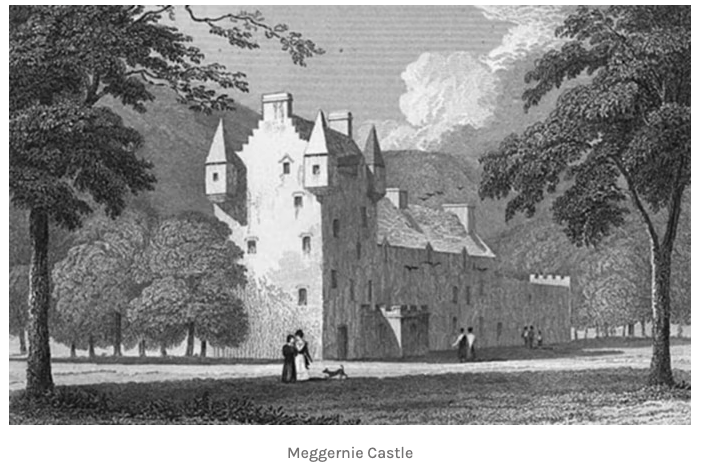
At first glance, Meggernie Castle in Glen Lyon appears to have little to do with the MacGregors—it was built by their rivals, the Campbells.
But the land tells a different story.
The MacGregors originally held this territory and once maintained a fortified keep commanding the entire glen. That changed in 1380 when King Robert II seized the land and transferred it to his son, Sir John Stewart of Cardney. By the 1500s the land passed into Campbell hands, and the stone tower and keep they built remain today.
Meggernie is also tied to Jacobite history. James Menzies of Culdares, a later owner, supported the 1715 Rising and sheltered fugitives during the 1745 rebellion while simultaneously hosting government troops—quite a feat of diplomacy.
Local lore adds a final twist: the castle is said to be haunted by the upper half of a woman’s ghost, believed to be the tragic victim of a jealous husband during the Menzies era.
Lanrick Castle
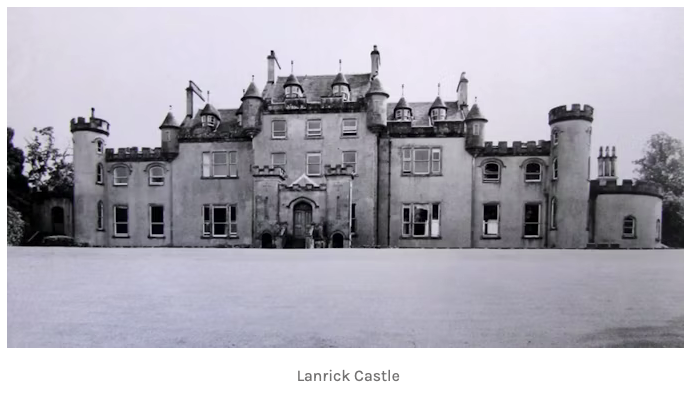
For more than a century, Lanrick Castle near Doune in Perthshire served as the official residence of Clan MacGregor. Built in the late 1700s, the estate first belonged to the Haldane family before being purchased in 1776 by John Murray MacGregor, the 18th Chief. It soon became known as “Clan Gregor Castle.”
Descriptions of Lanrick over the years vary. In 1801, Ramsay of Ochtertyre called it “more magnificent than convenient,” while later visitors admired its elegant Gothic expansions and landscaped grounds. The castle underwent remodeling around 1900, but its fortunes declined afterward.
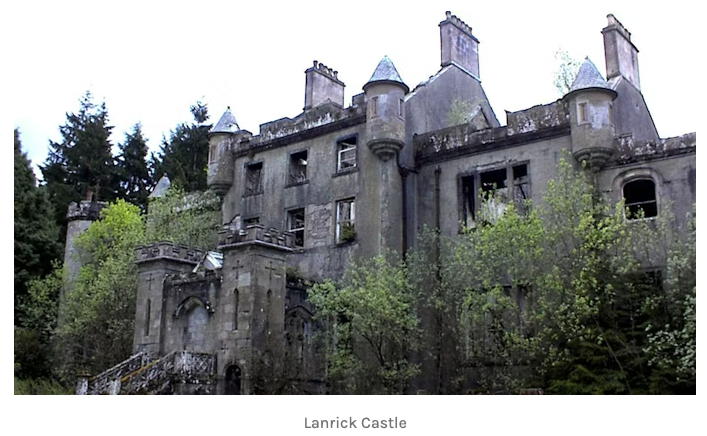
By the late 1970s, Lanrick was abandoned. A devastating fire in 1994 destroyed much of the structure, and the ruined building was demolished in 2002 without proper permissions—an action that resulted in fines and public criticism.
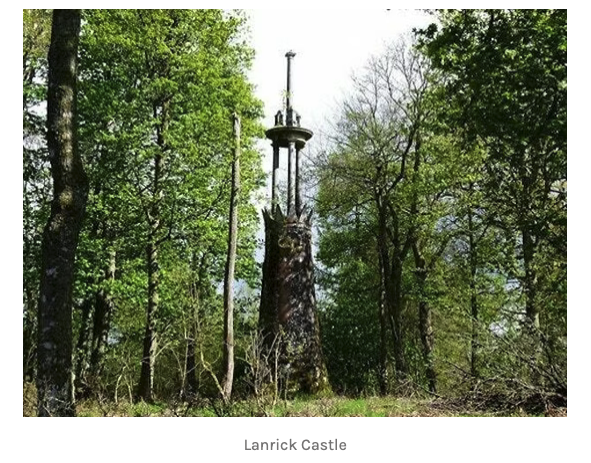
Today, only parts of the estate survive, including lodges, a stable block, a riverside grotto, and the striking MacGregor Monument—a stone tree trunk topped by Doric columns, now in poor condition and listed as at-risk.
Edinchip House
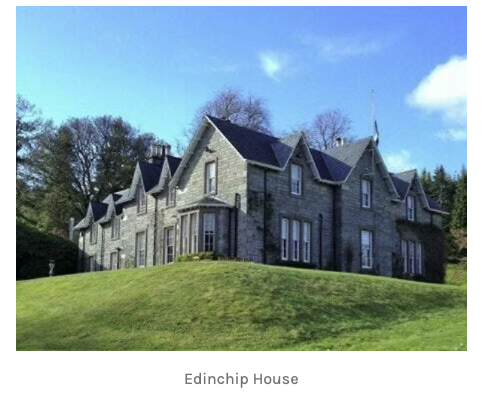
Although not a castle, Edinchip House in Lochearnhead played an important role as the clan seat for more than 150 years. Built in the 1830s and 1840s by Sir Evan Murray MacGregor and Sir John Atholl MacGregor, the home reflects the family’s rising social prominence.
Sir Evan—who famously toasted King George IV as “chief of chiefs” during the monarch’s 1822 visit to Scotland—constructed the house for his wife, the daughter of the Duke of Atholl. Even Queen Victoria passed through the estate in 1869.
Today Edinchip House is privately owned but available to rent, offering visitors the rare chance to stay on former MacGregor land.
Castle Menzies
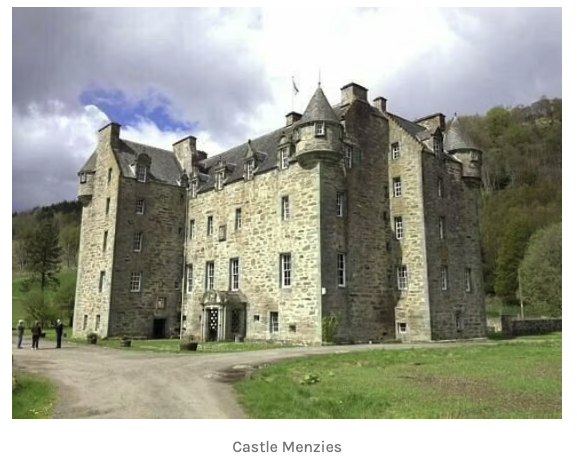
While not historically a MacGregor home, Castle Menzies in Weem near Aberfeldy is significant today because it houses the Clan Gregor Society museum.
For more than five centuries, the castle was the stronghold of the Menzies chiefs. It played a role in major events—Bonnie Prince Charlie stayed there on his way to the Battle of Culloden, followed by the Duke of Cumberland only days later.
Clan Gregor’s association with the site comes through a different connection: Rannoch Moor. After losing their ancestral lands, some groups of the MacGregors—particularly the Gregarach, often called the “Children of the Mist”—settled in the remote wilderness around Rannoch. Their presence there brought them into close interaction (and occasional conflict) with the Menzies and Robertson families.
This historical overlap explains why the clan museum now resides within Castle Menzies.